Student-mentor teams in the summer 2026 URSCA program were asked to submit a high-impact photo and caption that highlights their research or creative scholarship. Click on the images to view the mentor pages.
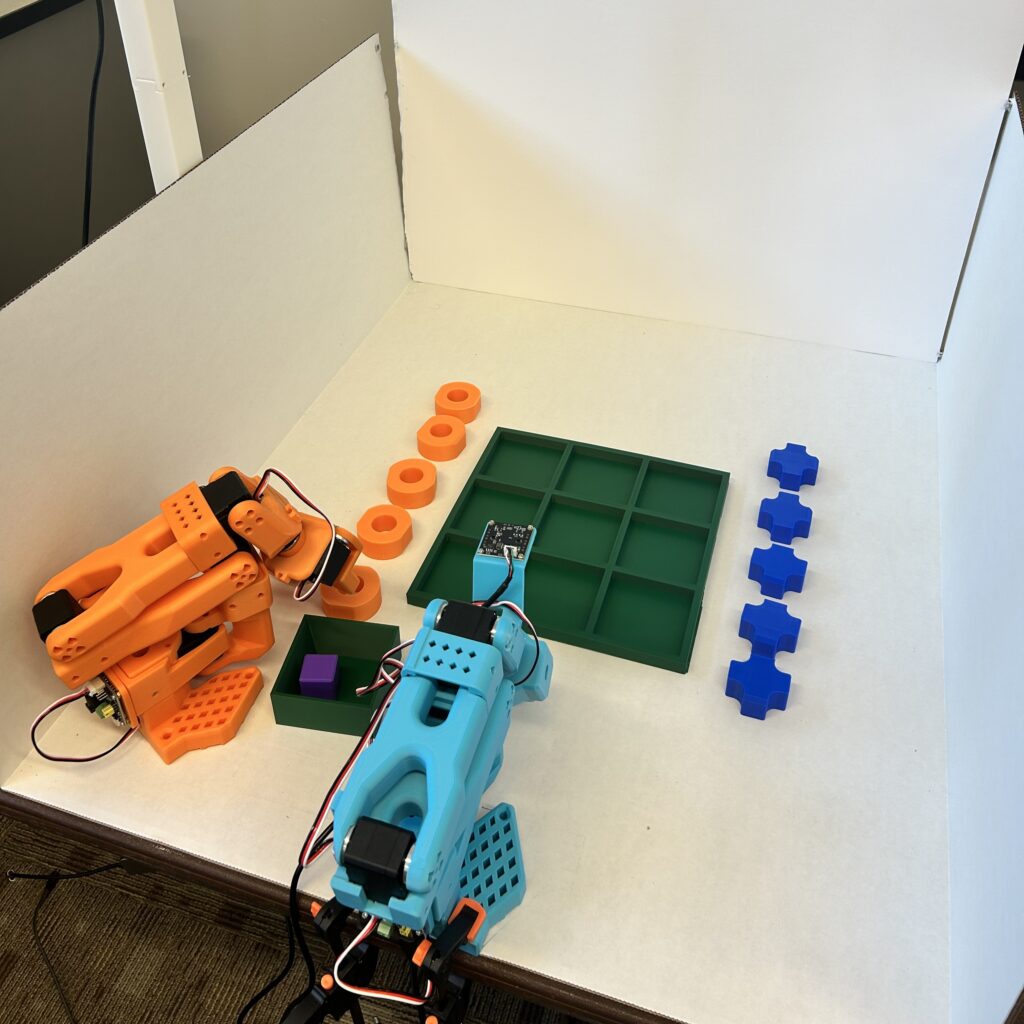
Task-Based Machine Learning Model Comparison in Robotics: Damon Skappel and Colton Surratt mentored by Dr. Ahmed Kamel
This summer we worked with SO-101 robotic arms, training and evaluating AI models that learn manipulation tasks by imitating human examples. We designed and 3D-printed custom objects to create a structured task for testing how well these models perform. The end goal is to explore the growing number of applications for widespread accessible machine learning.
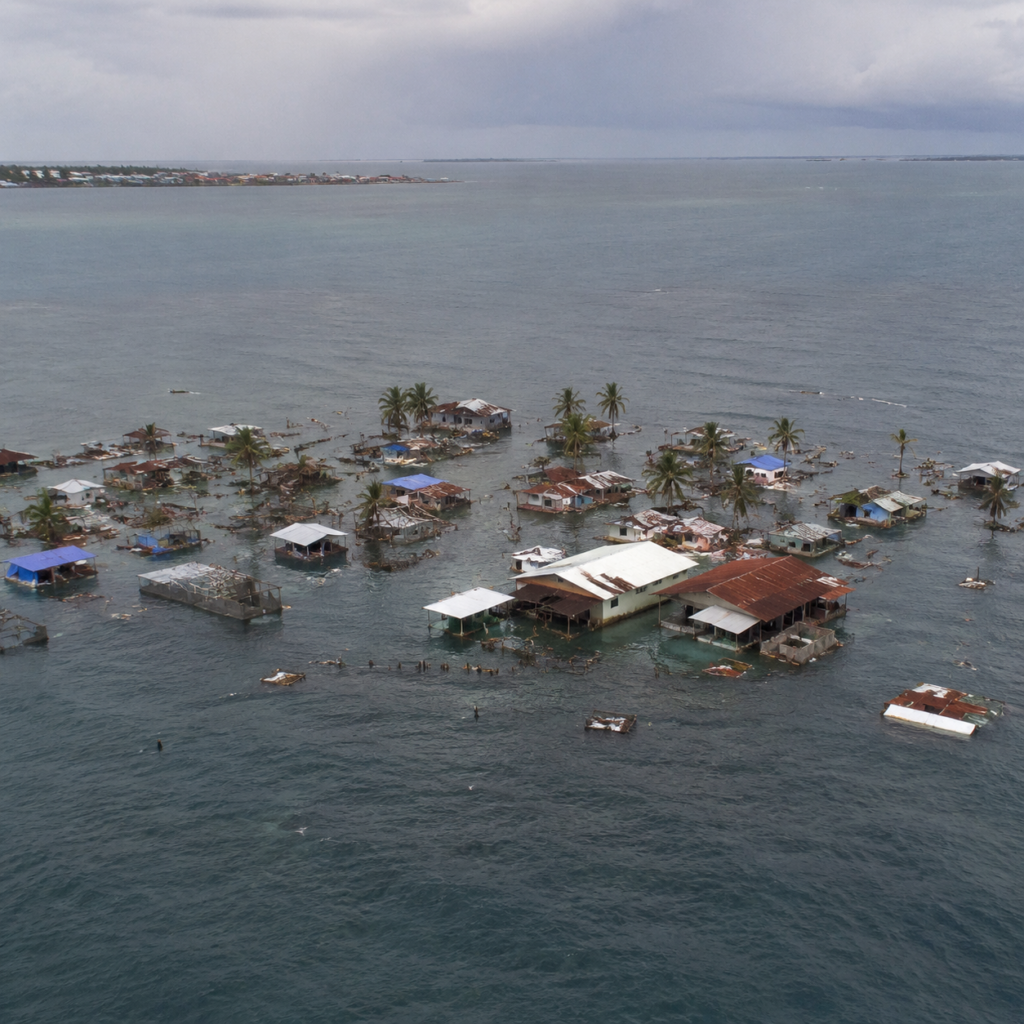
Surveying Public Attitudes Toward Climate Refugees Using AI Images: Sydney Negri mentored by Dr. Jieun Park
This image, generated in the early stages of our research, is meant to depict an island nation experiencing the extreme impacts of climate change. We are looking to test how different kinds of images impact the response toward climate refugees.
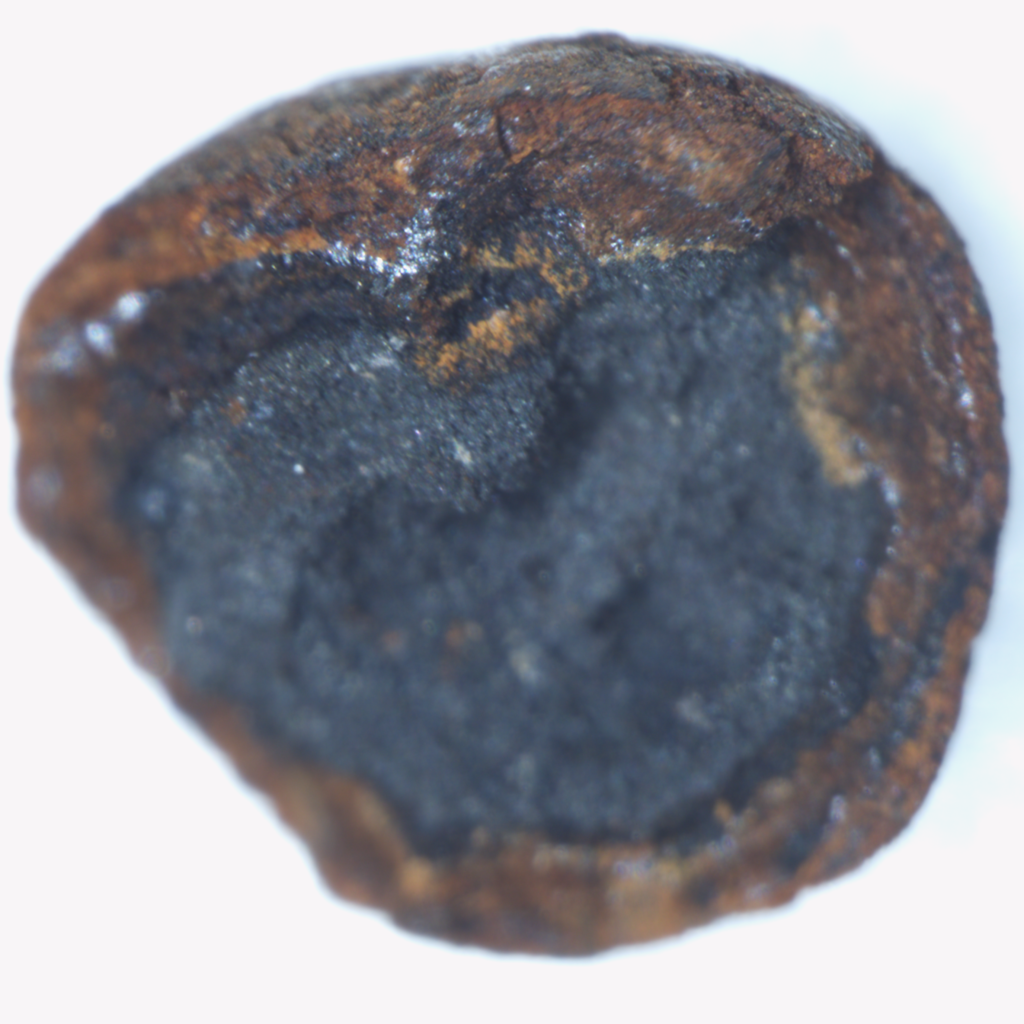
Discovering the Magnetic Properties of Iron-Manganese Nodules: Logan Olson, Avery Litke, and Delia Denis mentored by Dr. Thelma Berquó
The image shown is a cross section of a nodule approximately 6 mm in diameter. The nodules studied are from the Lake Michigan Green Bay, WI area, and were given to us by a physics alum. Research is being performed using Mössbauer Spectroscopy, and VersaLab apparatus to investigate the magnetic properties and the contribution of the iron oxides.
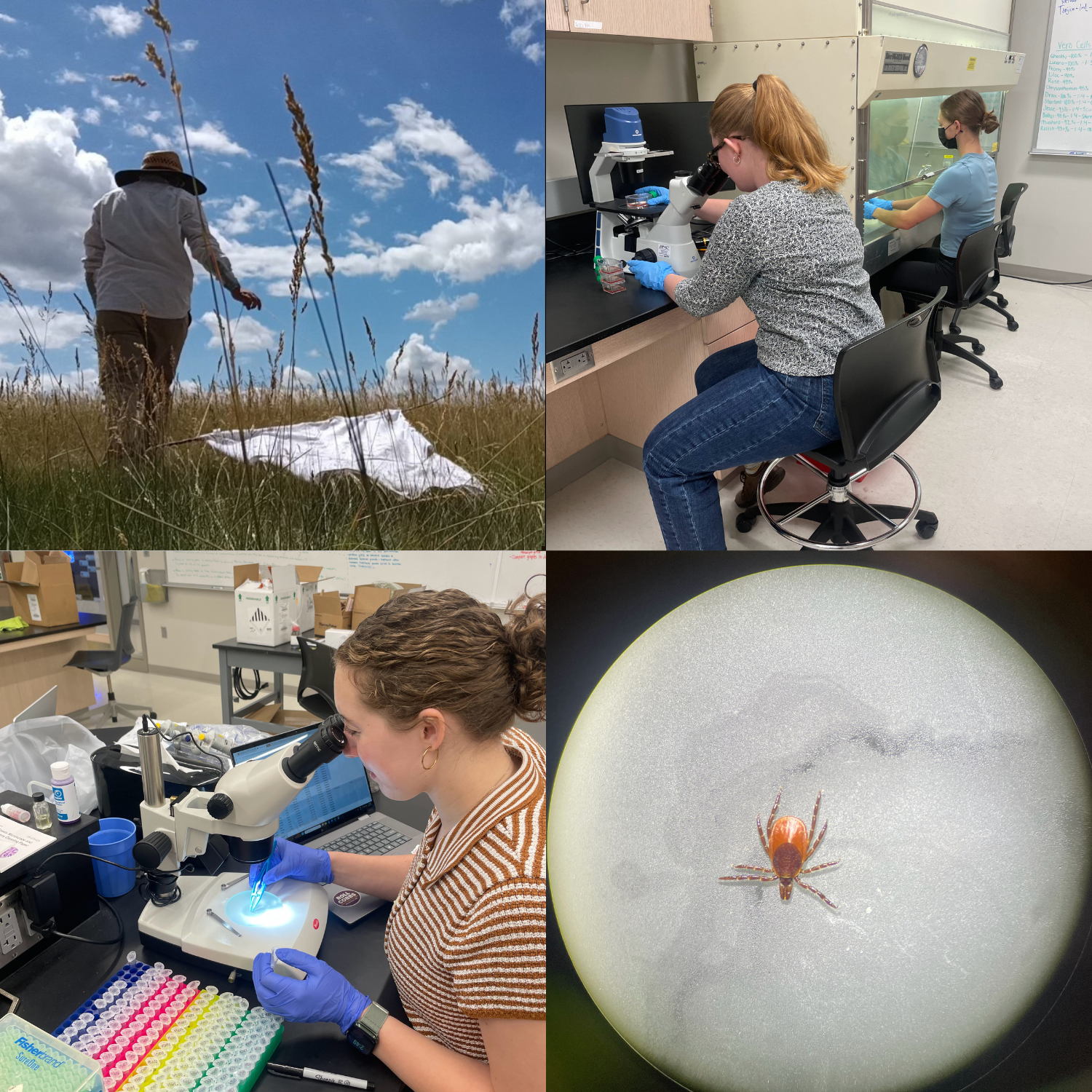
Tick-borne Diseases: Awareness, Treatment, and Mechanisms of Rickettsia Infections: Alejandro Sanchez Gadea, Violet Swisher, Chloe Ingvaldson, and Emily Rengo mentored by Dr. Emerson Towey
We are collecting and identifying tick species in the Fargo-Moorhead area. We are also culturing human cells to examine aspects of human infection with Rickettsia bacteria which many ticks carry and transmit to humans.
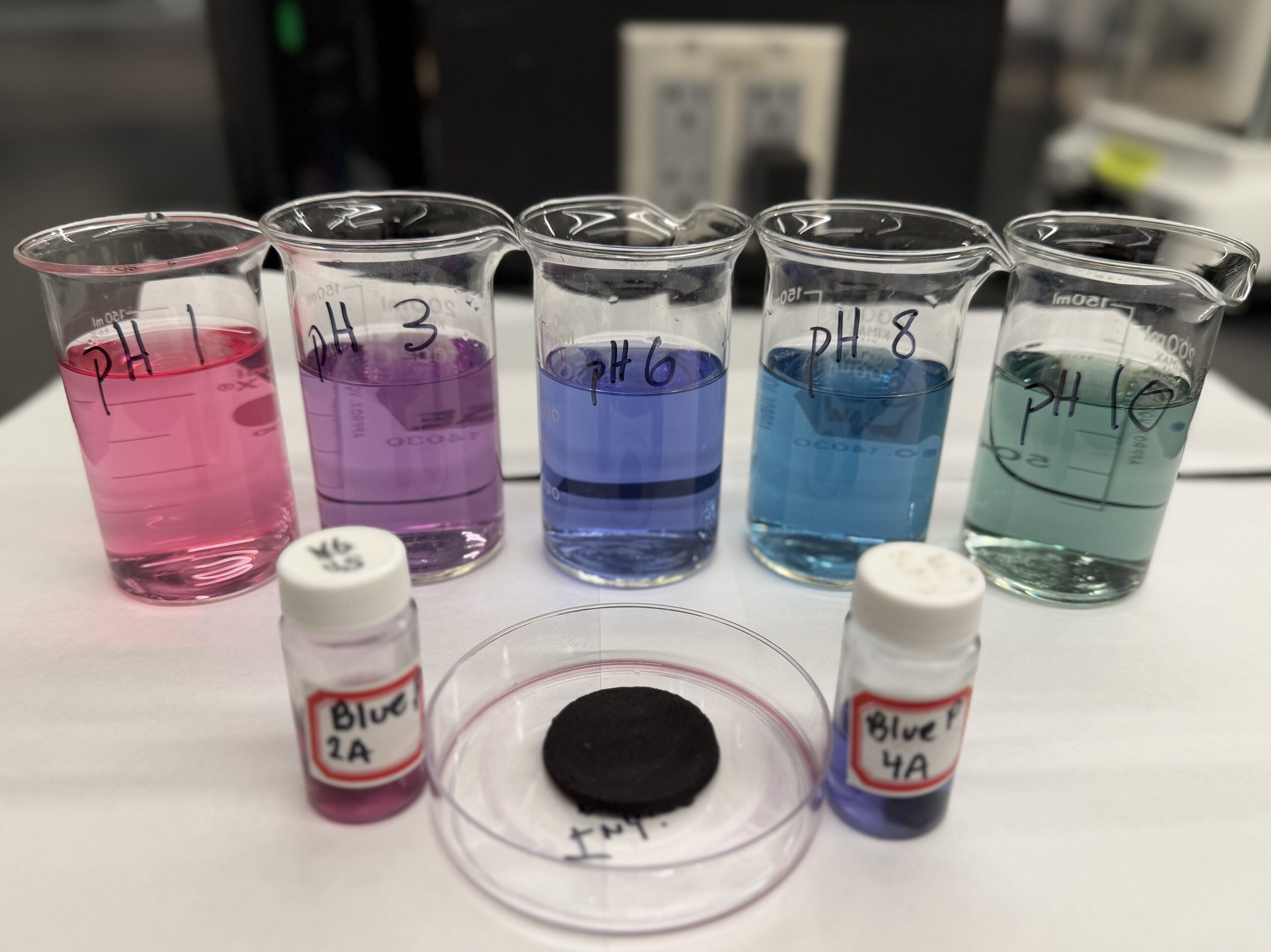
Investigating the Release of Natural Dyes from Chitosan-Alginate Bioplastics: Ella Hanson and Heather Escobar-Reyes mentored by Dr. Graeme R.A. Wyllie
Background: Five beakers containing solutions of blue butterfly pea dye at different pH values (pH 1, 3, 6, 8, 10 arranged from left to right). Foreground: Two vials containing a blue butterfly pea-infused bioplastic strip in solutions of pH 2 (left) and pH 4 (right). Between them is a petri dish with a bioplastic containing indigo blue dye.
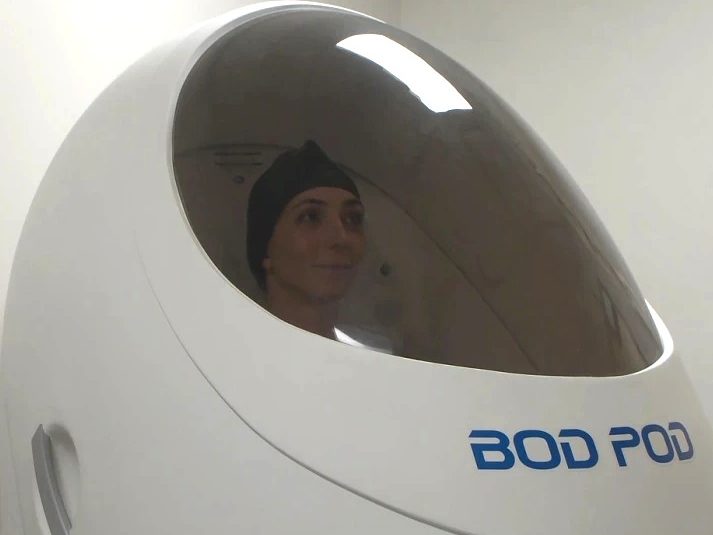
Cognition and Lifestyle Factors: Maggie Brown mentored by Dr. Betsy Cogan
Our lab is working to discover relationships between cognition and lifestyle factors such as body composition, dietary intake, GLP-1 receptor agonist use, and blood lipid assessments in cognitively healthy adults ages 45-70. This summer our lab had the opportunity to be featured on the news to both highlight the work being done and also to recruit study participants. The picture above is from our segment on WDAY. The BodPod, which is a body composition measurement tool is featured in this picture is being used like we do with all participants in the study.
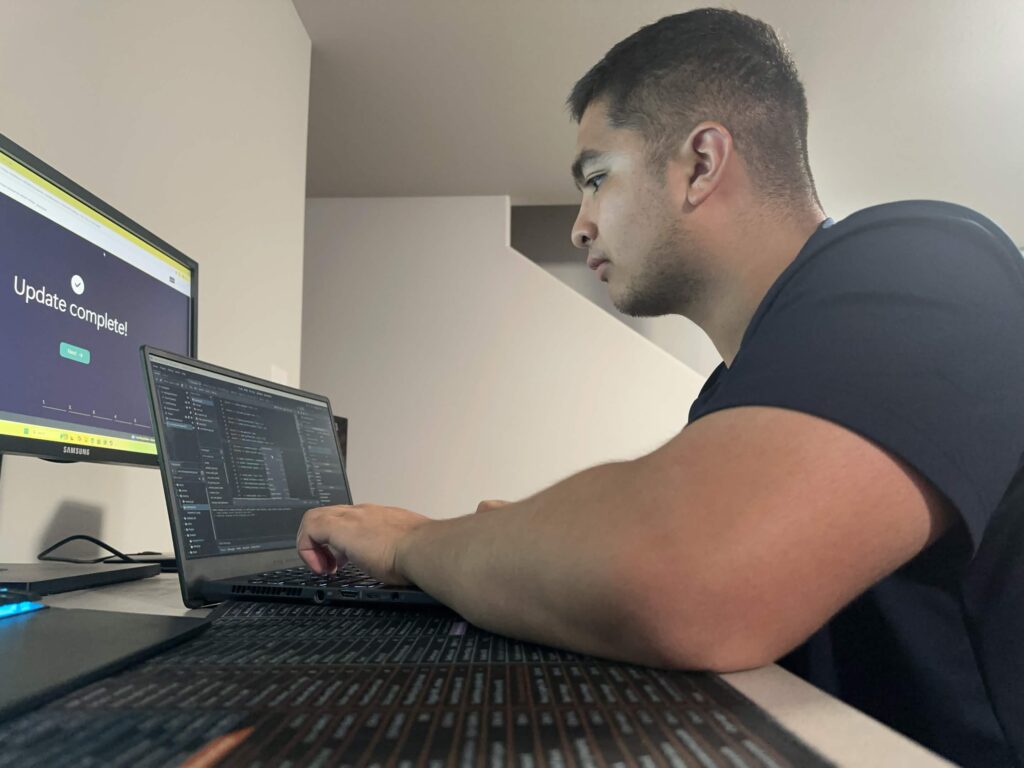
Machine Learning and the Capabilities of AI: Damon Hospidales mentored by Dr. Ahmed Kamel
I am connected remotely to the AI server at Concordia, allowing me to work more efficiently when I am away from the server room.
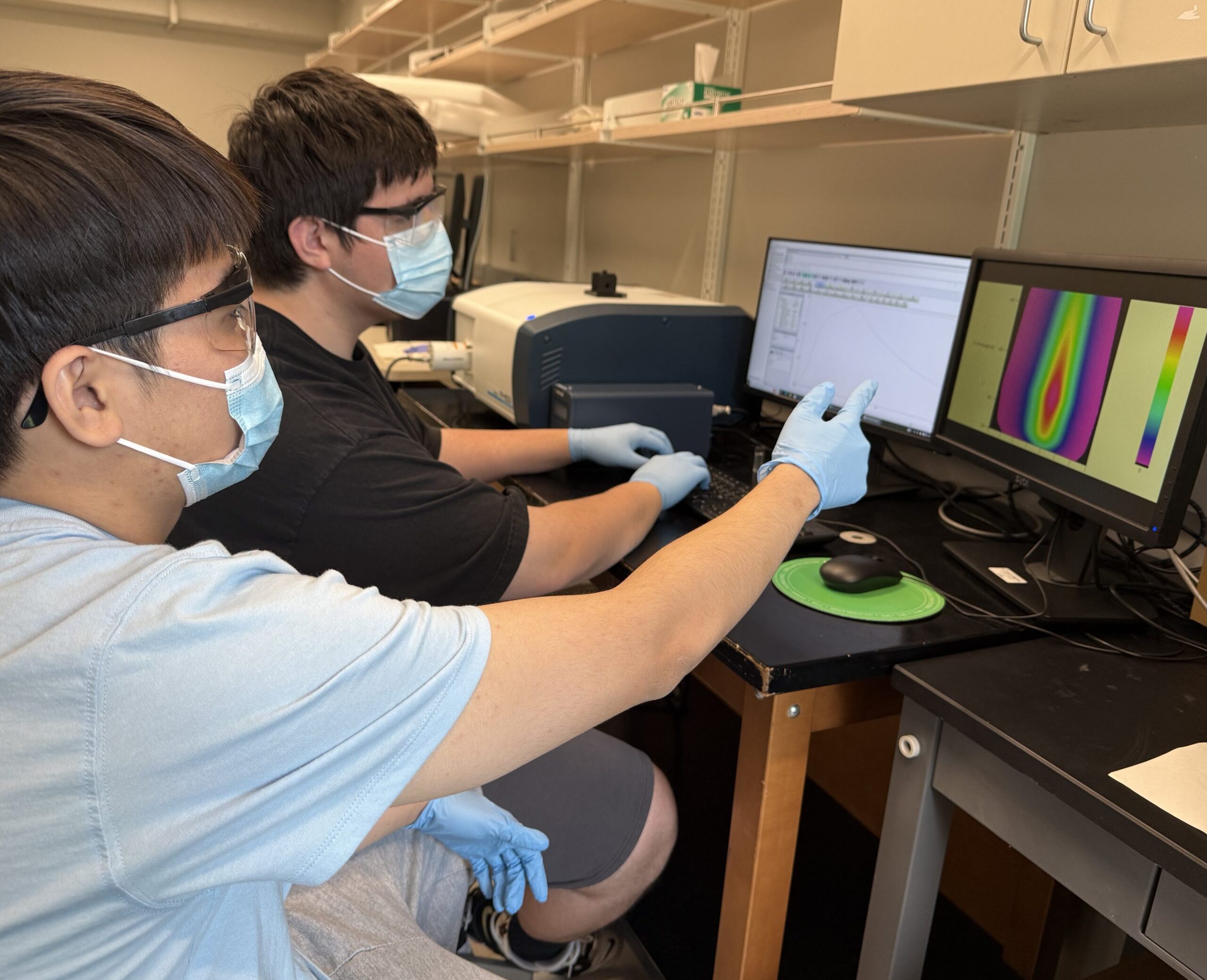
Synthesis and Doping of Lead Halide Perovskite for Optimizing Stability: Angel Ostos and Triet Minh Pham mentored by Dr. Saroj Thapa
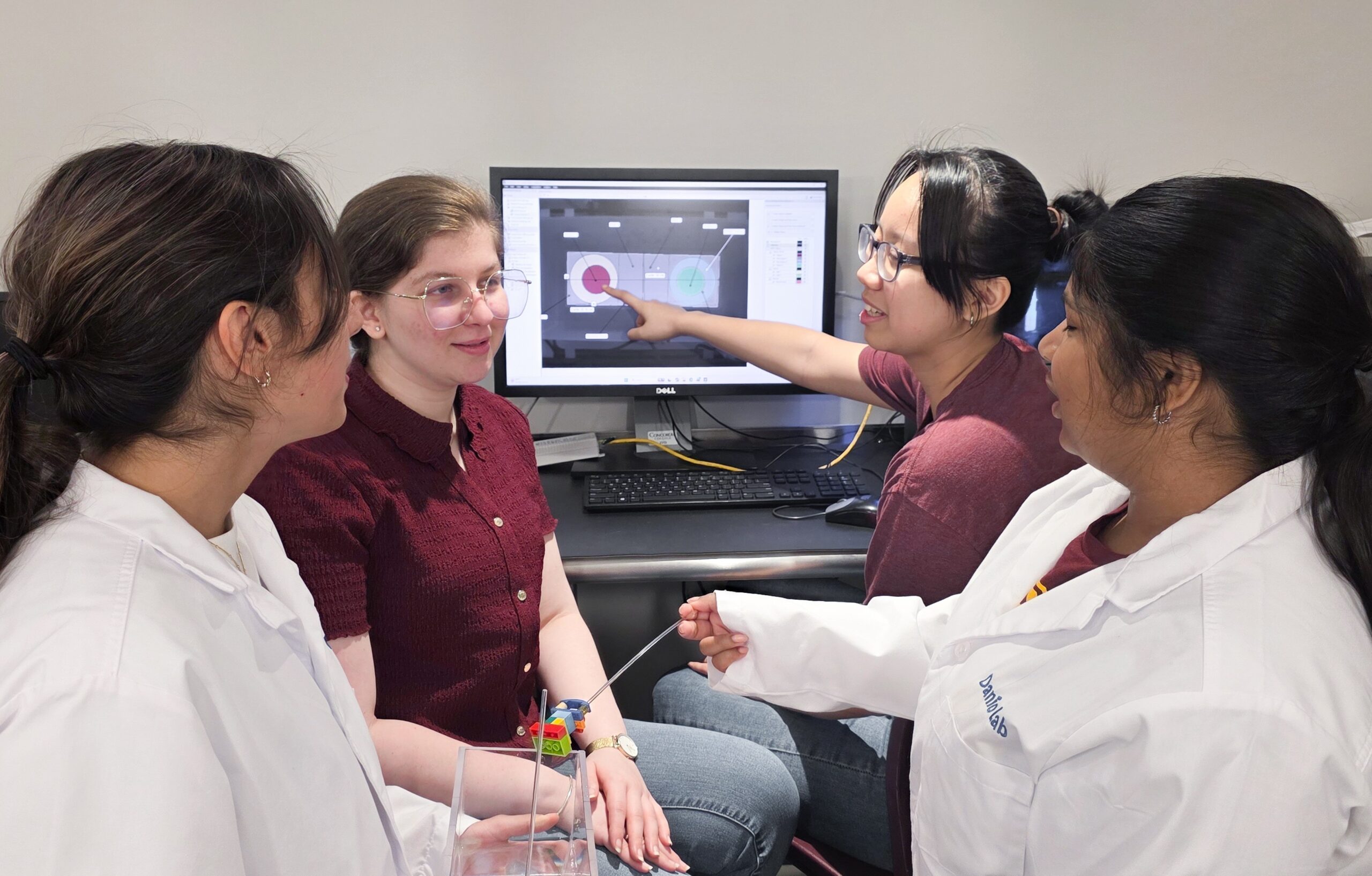
Triet Minh Pham (pictured closest) and Angel Ostos (pictured farthest) analyze sample data of recently synthesized perovskites. The spectrometer gives data on optical properties of the crystals formed including emission, excitation, and absorption.
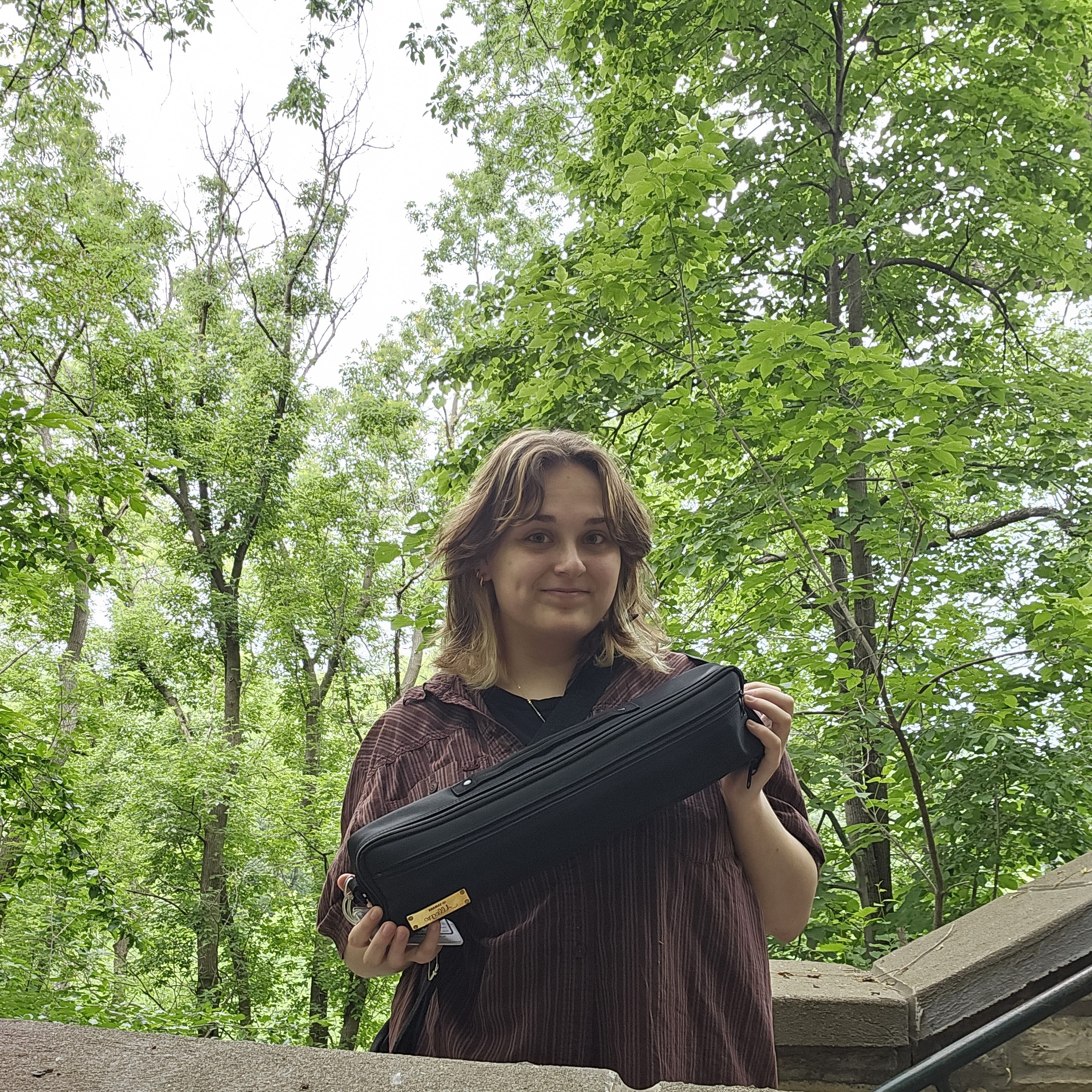
Ecofeminism and Ecomusicology: Daniella Ray mentored by Dr. Jeff Meyer
I’m studying the intersection and intersectionality of Ecofeminism and Ecomusicology. Essentially, I’m interested in the combination of Feminism, Ecology, Musicology, and musical expression. I am researching and experimenting to determine how an Ecofeminist perspective will influence a performance in/with nature.
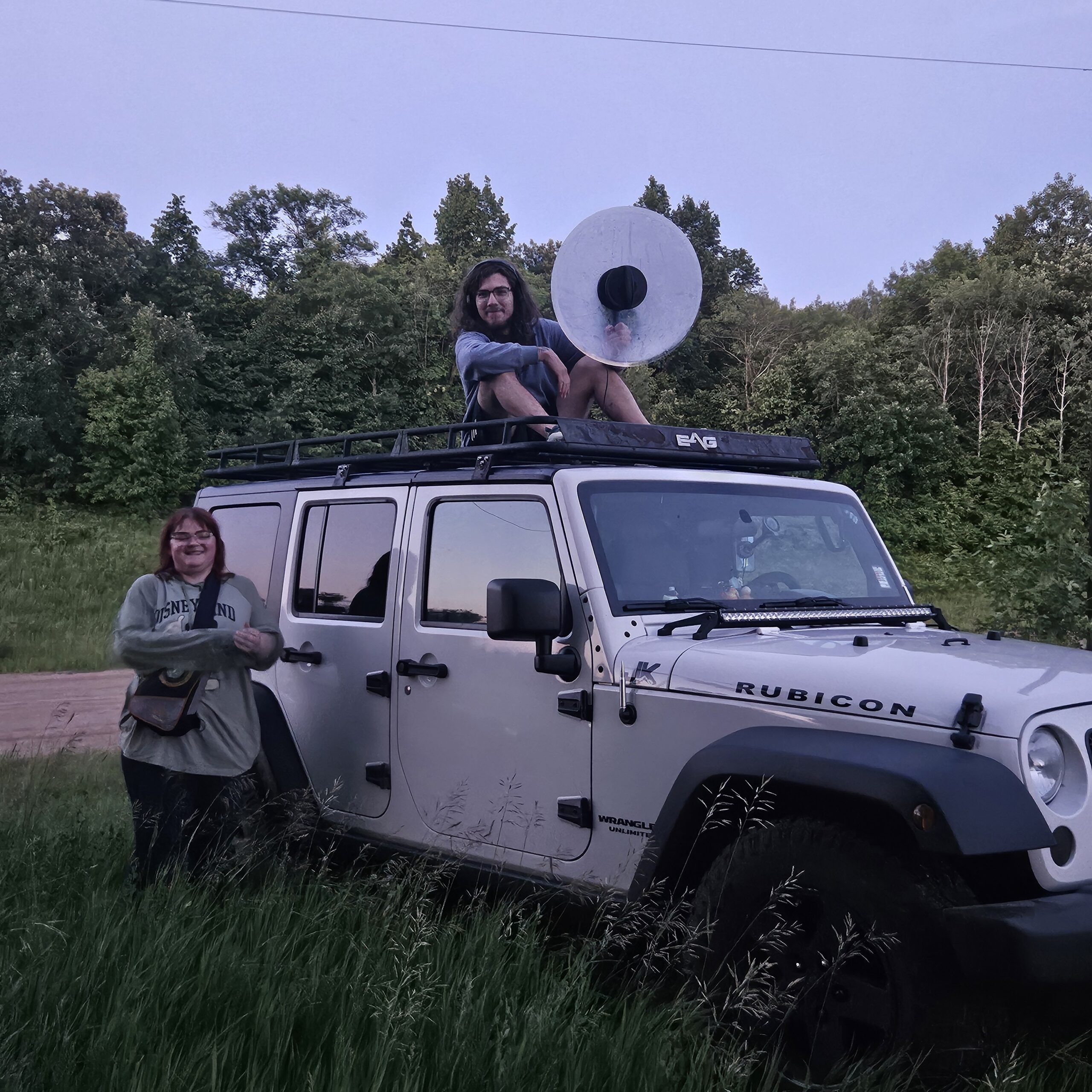
Nature's Symphony: Exploring the Hidden Music of Ecosystems: Thomas Wilkinson and Edge Stevens mentored by Dr. Jeff Meyer
Using a parabolic microphone, we capture distant wildlife calls and other subtle sounds that are often missed in everyday listening. By studying these recordings, we can investigate the hidden acoustic patterns that shape the ecosystems and the interactions between the organisms that inhabit them.
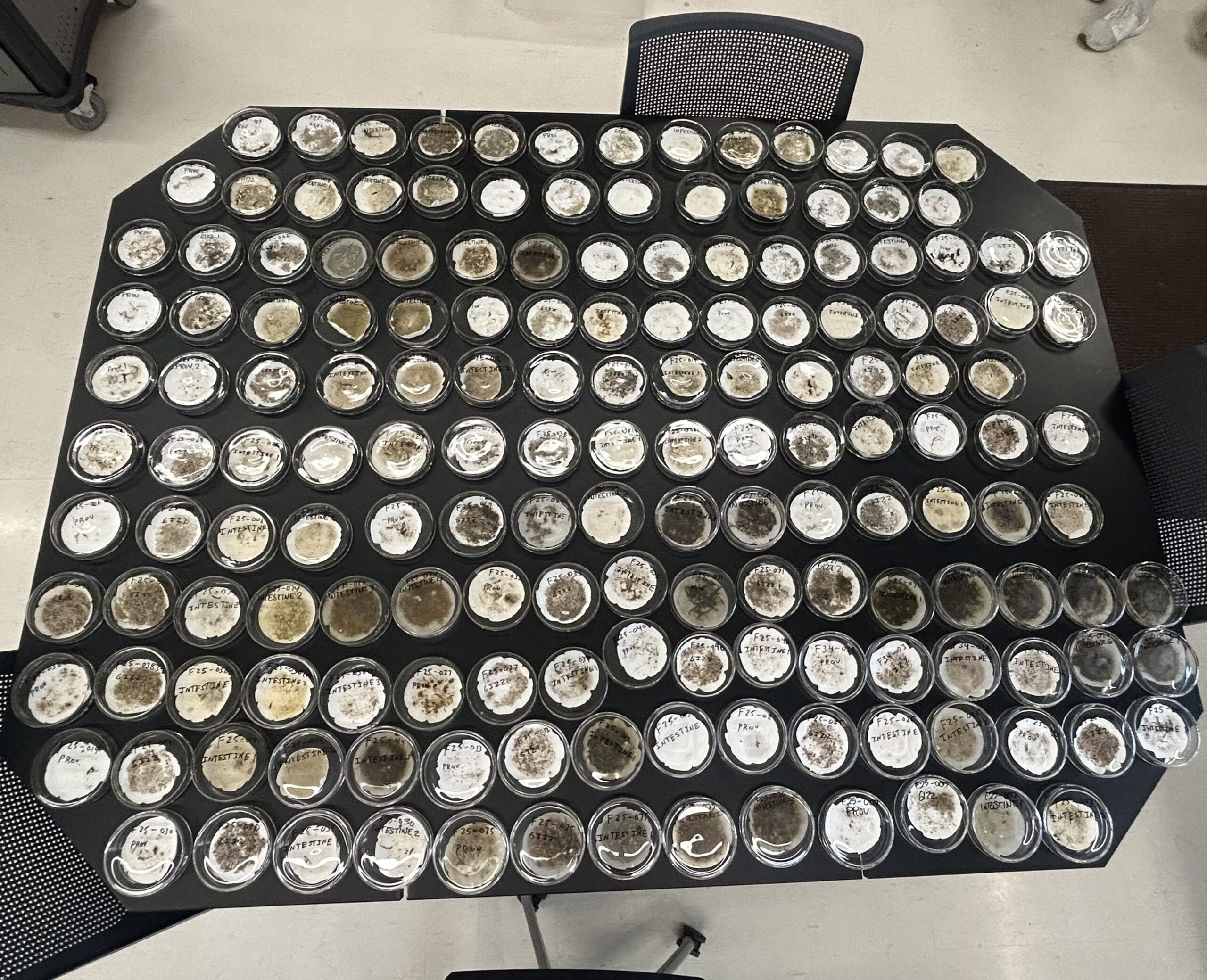
Identifying Microplastics in North Dakota Waterfowl: Makena Hedlund, Daniel Roiger, and Jacob Hammer mentored by Dr. Jennifer L. Sweatman
These petri dishes contain the contents of the proventriculus, gizzard, and intestines of ducks and geese found in North Dakota. Each sample contains, on average, 3.5 microplastics (plastics <5mm) we have visually and chemically identified.
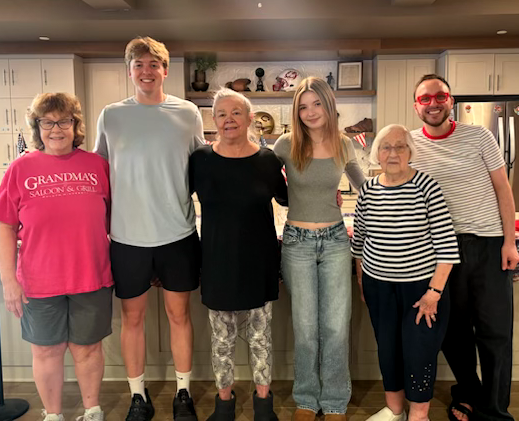
Transitions to Assisted Living: Daniel Skrade and Rowan Durgin mentored by Dr. Philip C. Lemaster
Our research team and faculty mentor with residents of Eventide Assisted Living following a group exercise activity. Throughout our research, we enjoyed participating in Eventide community events and building meaningful connections with residents.
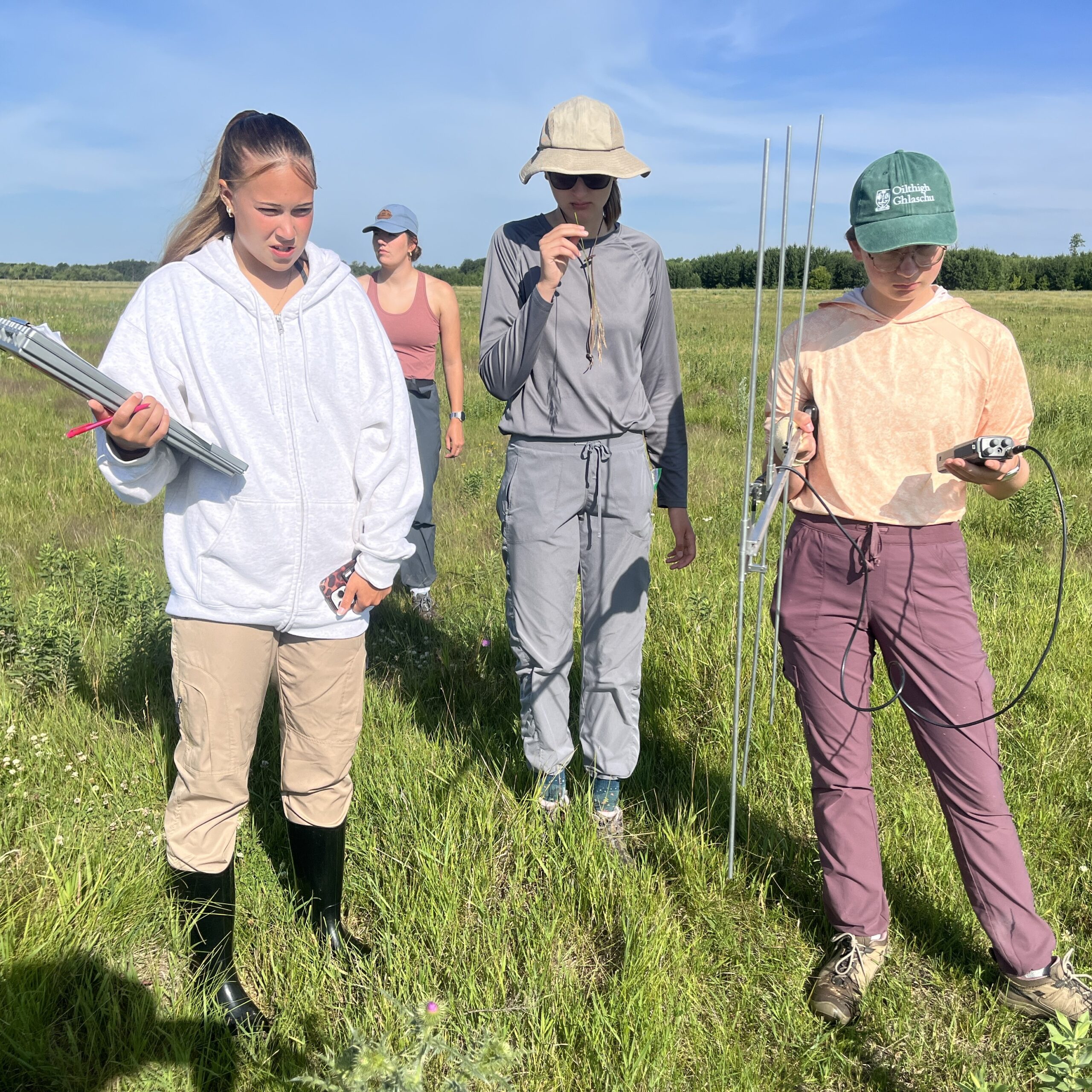
Richardson's Ground Squirrel Translocation: Revitalizing a Critical Population: Malorie Anderson, Chloe Nyberg, Caitlin Haaser, Cass Skogen mentored by Dr. Joseph C. Whittaker
We are tracking ground squirrels using telemetry equipment in the field. Each squirrel has a collar with a unique frequency that can be detected from several meters away.
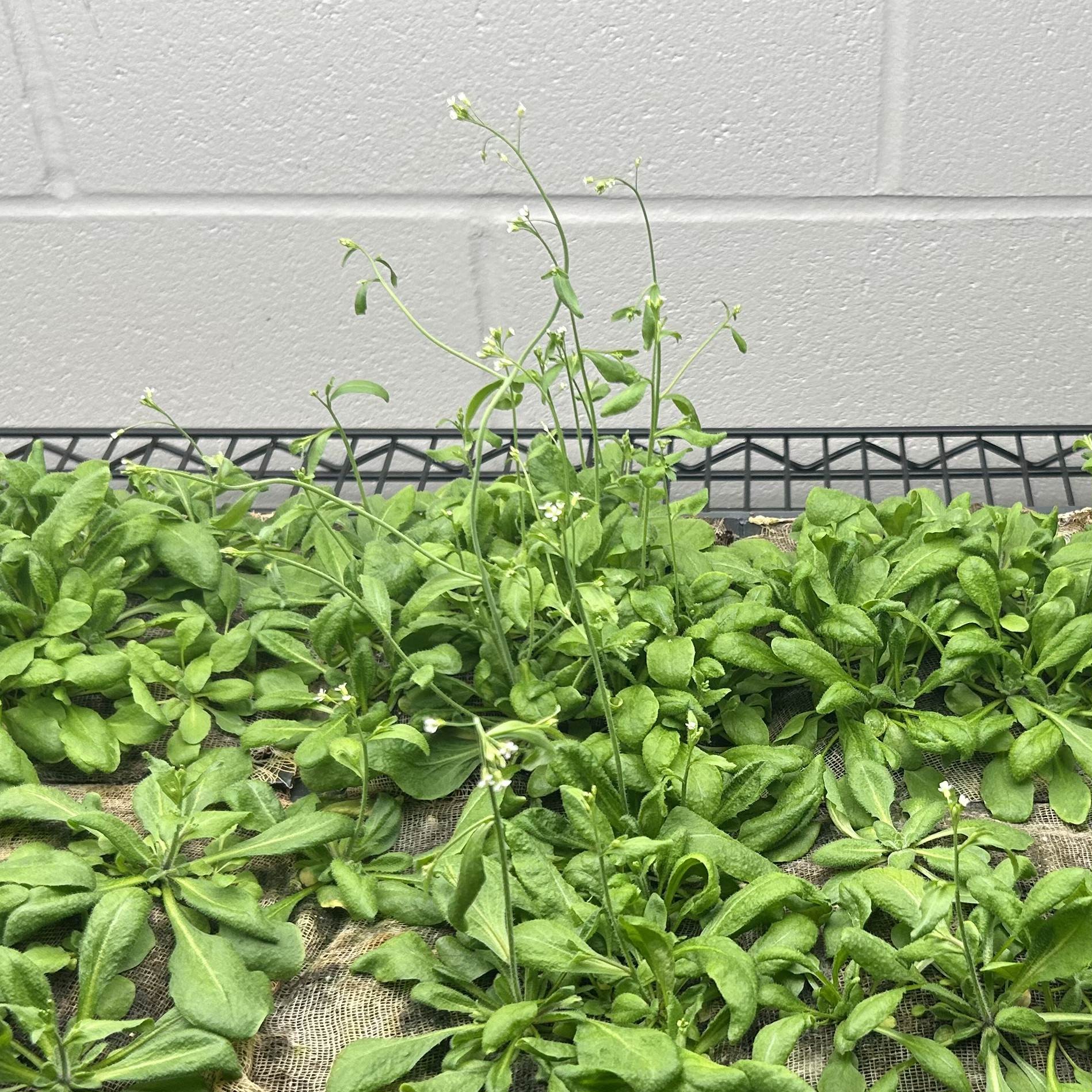
Impact Study of IAA28 Gene Mutations and miRNA847 Induction on the AUX/IAA Pathway in Arabidopsis thaliana: Max Faust and Johnathan DeJong mentored by Dr. Mallorie Taylor-Teeples
This is Arabidopsis thaliana, a model organism for studying plant genetics. By introducing genes with specific mutations via bacteria capable of bringing DNA into plant cells, we hope to better understand the function of a miRNA in the pathway that controls plant phyllotaxis, the arrangement of leaves around a stem.
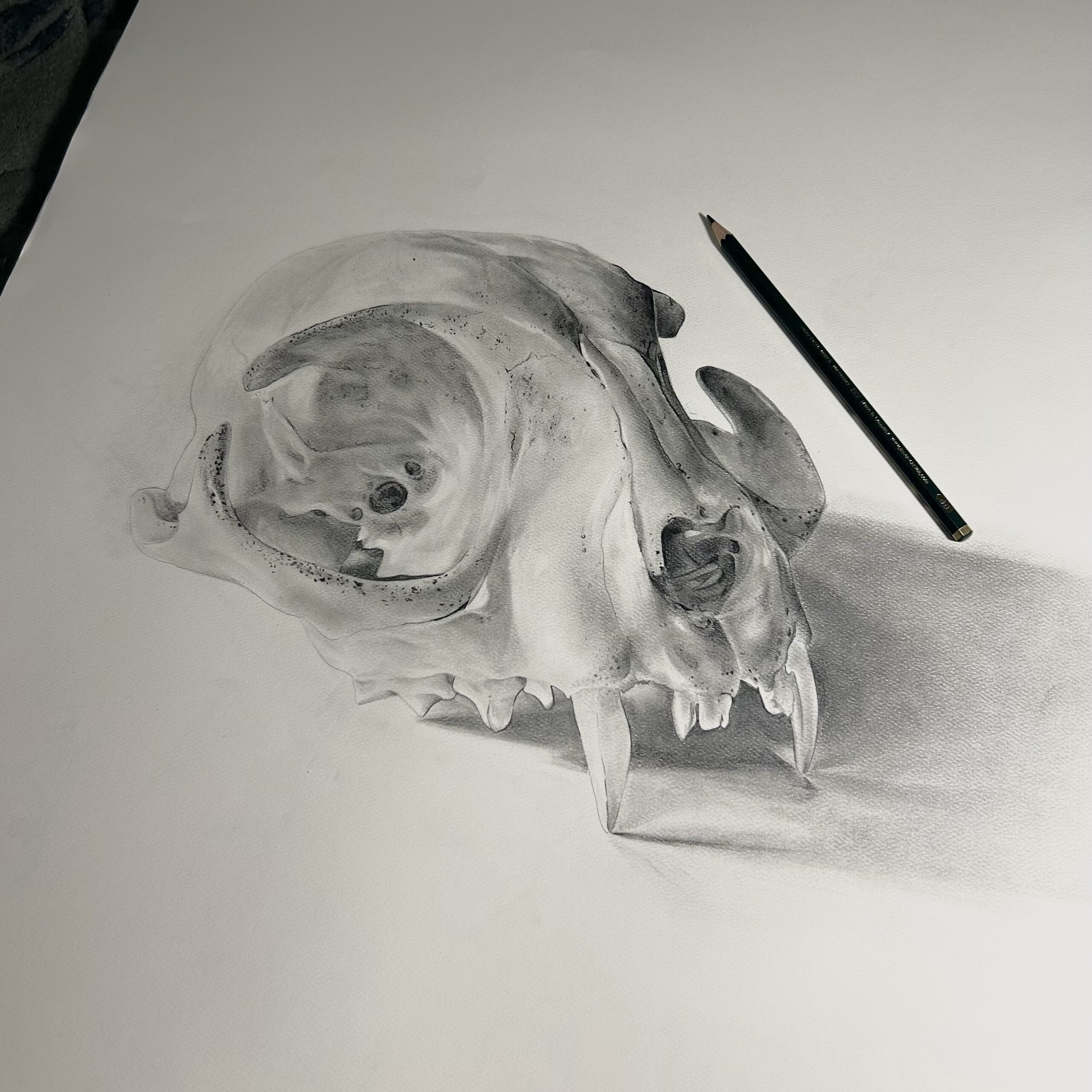
Learning Through the Flayed Cat: Traditional Écorché Drawing and Sculpture in Anatomy Education: Josie Brown mentored by Dr. Jason Askvig and Dwight Mickelson
This project explores feline anatomy through detailed studies of domestic cat musculature and internal structures. By combining cadaver dissection with scientific illustration and sculpture, it creates accurate anatomical studies that make complex anatomy more accessible while demonstrating the connection between art and science. These studies also establish the anatomical foundation for future comparative reconstructions of extinct cats, including the sabertooth. This work was co-mentored by Dr. Jason Askvig and Dwight Mickelson.
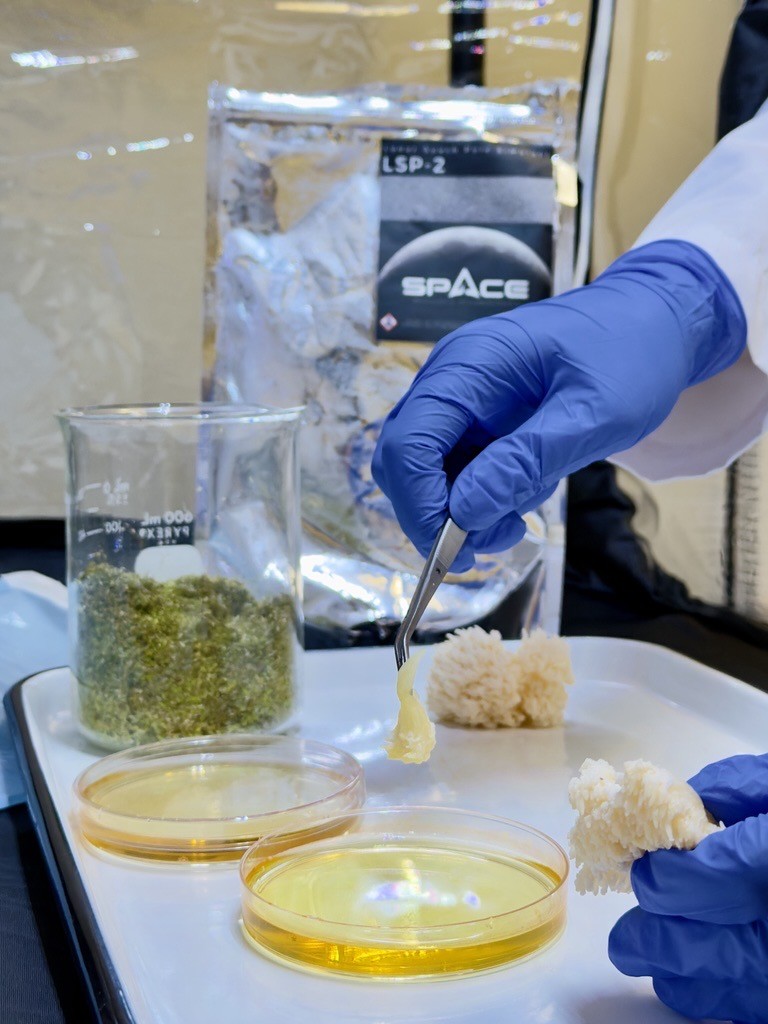
From Petri Dish to the Moon – Optimizing Lion's Mane Nutrients for Space Agriculture: Rosella Geraci, Anusheh Shreonty, Carissa Dalen mentored by Dr. Krys Strand
A sterile culture of Hericium erinaceus (Lion’s Mane) mushroom is transferred onto a potato dextrose agar plate in preparation for the growth of healthy mycelium within substrates revised with plant waste and lunar regolith simulant. The combination of simulated lunar soil substrate recipes and controlled UV radiation treatment allows us to explore the effects of fungal support on sustainable food production and micronutrient deficiencies in humans living on extraterrestrial bodies such as the Moon or Mars.
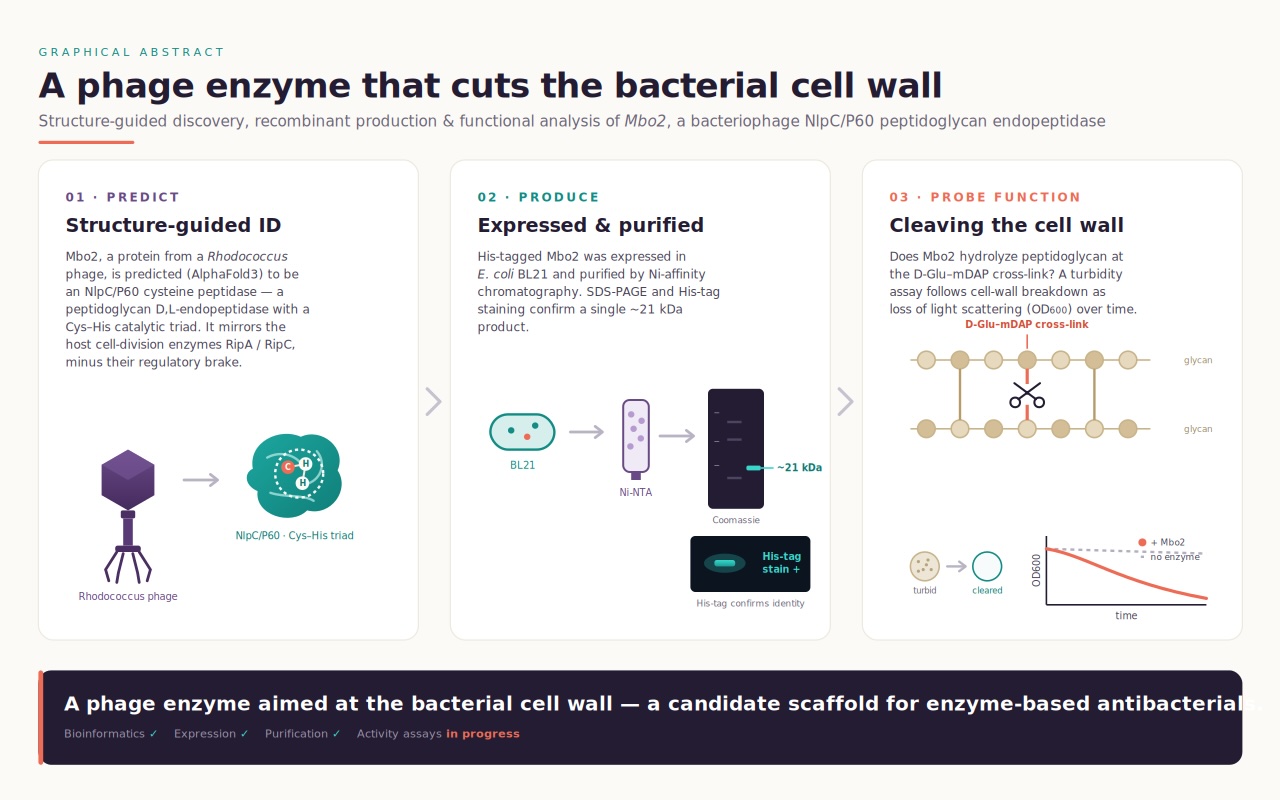
Characterization of Hydrolase Enzymes From Bacteriophages GMA6 and Mbo2: Jack Sticha and Khoi Pham mentored by Dr. Julie Mach
This graphical abstract shows the overview of the enzyme characterization process, completed by bioinformatic investigation, successful expression and purification from bacteria, and function-based assays utilizing the purified product. The main objective of this project is to take an unknown phage’s sequences for proteins and use bioinformatics and wet lab verification to express and elucidate enzymatic properties. Our work could contribute to the functional applications of these proteins that could be utilized later for research into alternatives for antibiotics.
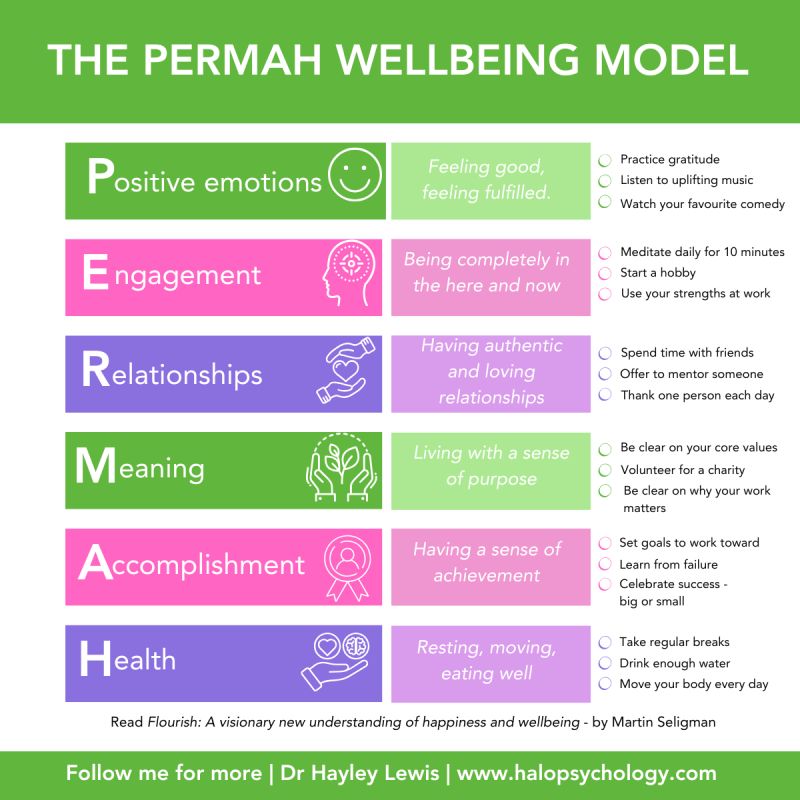
Factors Related to Well-Being in Various Populations: Liliana Birdsall and Caleb Gadberry mentored by Dr. Sinjin Roming
The photo above showcases the PERMAH model, a framework used to measure well-being. Our research uses the PERMAH model to examine how well-being scores correlate to AI usage across various populations.
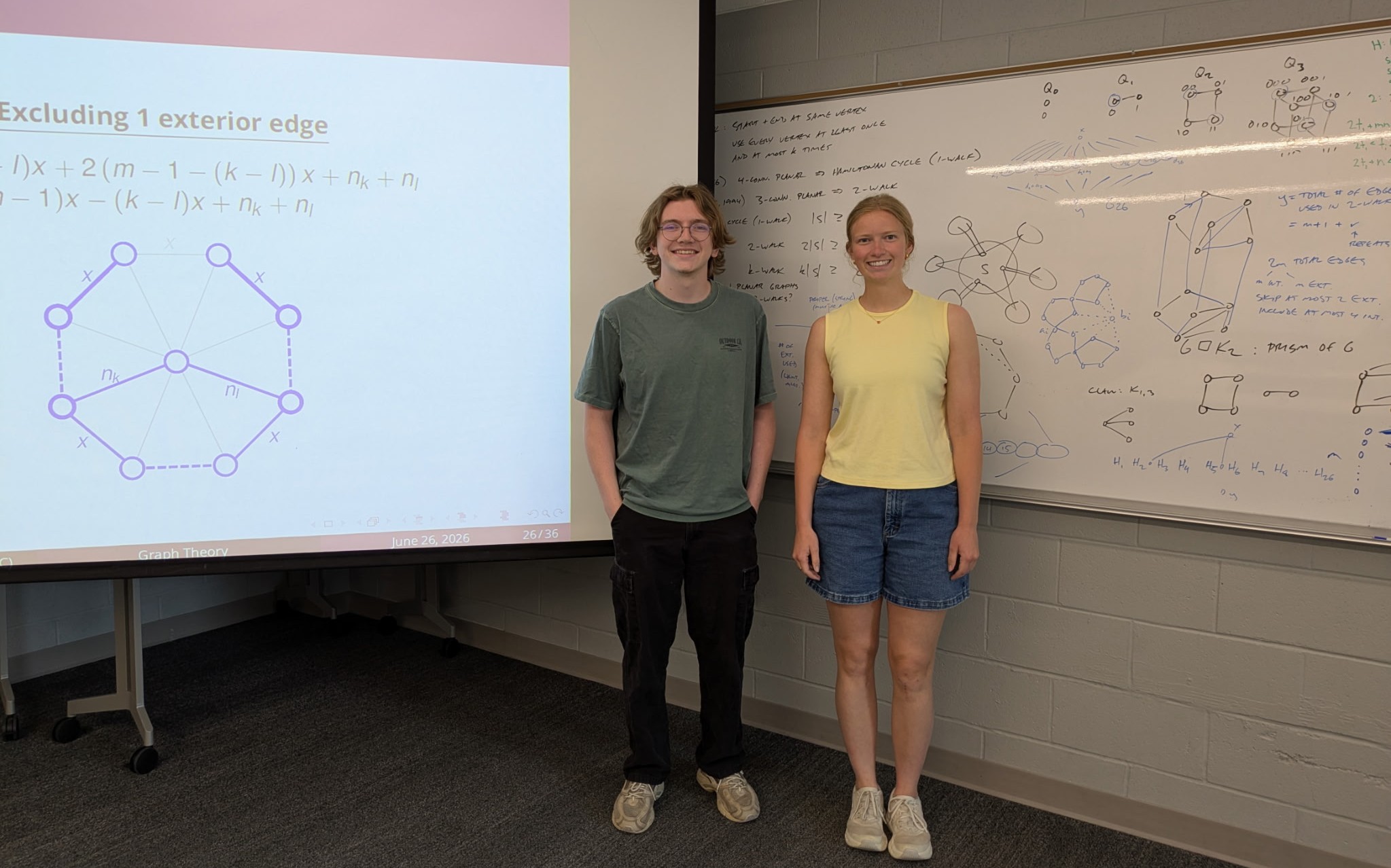
Reinventing the Wheel; The Optimization of Travel Through a Weighted Wheel Graph: Maggie Barker and Jonny Tutewohl mentored by Dr. Daniel P. Biebighauser
We investigated when the traditional solutions to the Traveling Salesperson Problem can be improved in a certain class of graphs called wheel graphs.
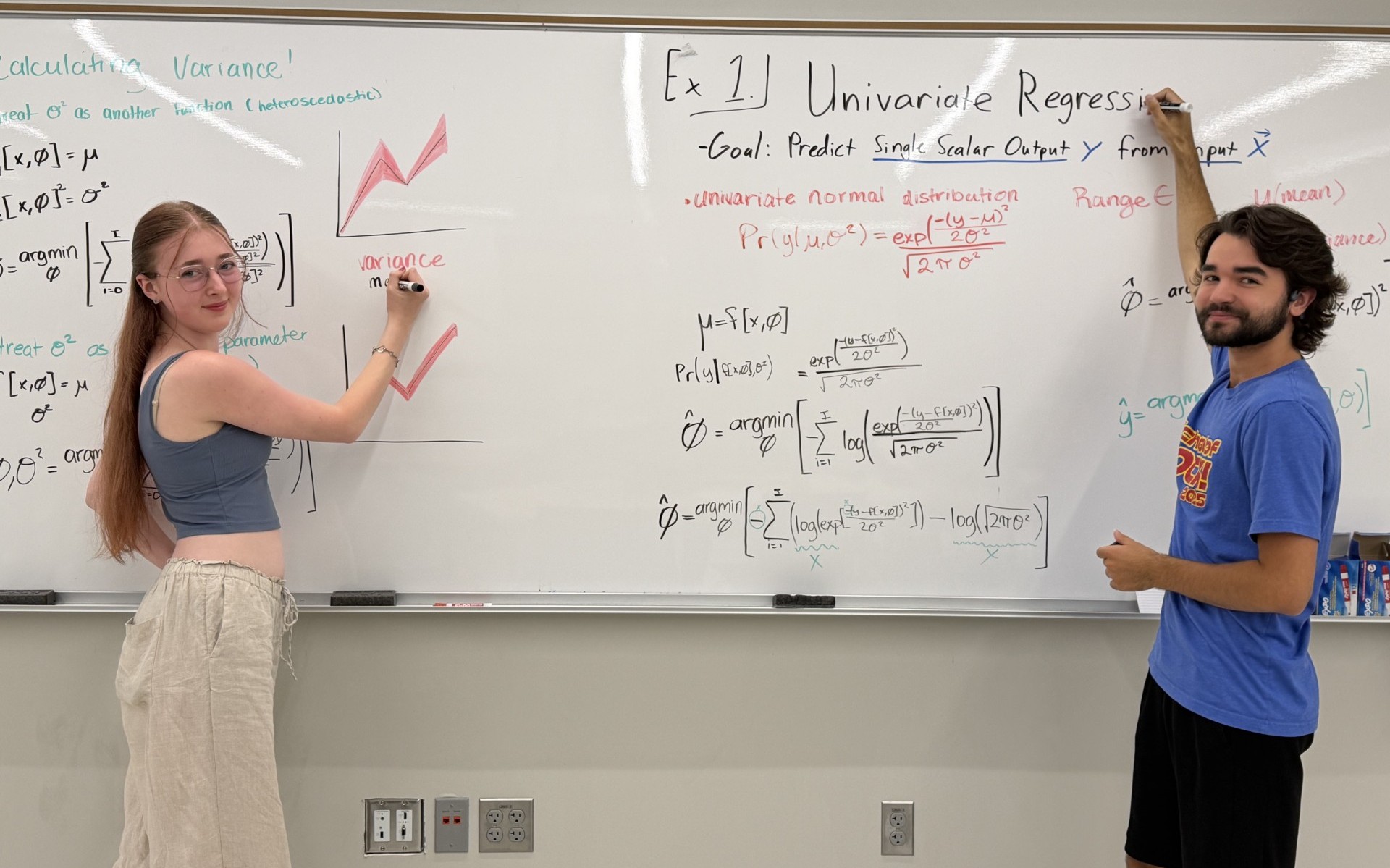
Helping to Prepare a Class on Neural Networks: Autumn Momsen and Xavier Baynes mentored by Dr. Luiz A. Manzoni
We are preparing a presentation on neural networks for our mentor. This specific presentation is on the loss function. Neural Networks will be a new class offered at Concordia in fall 2026.
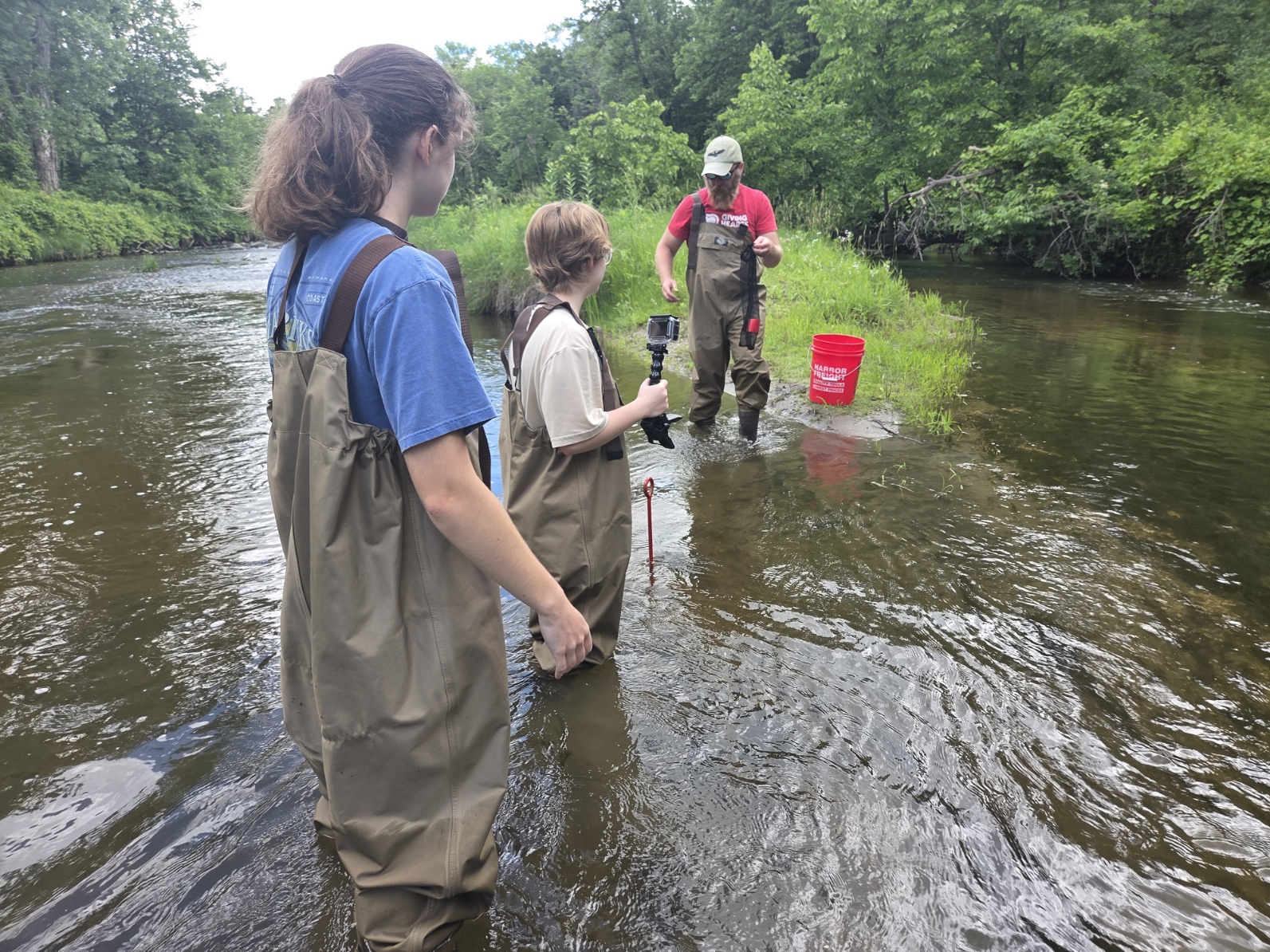
Capturing Fish Vocalizations of Minnows in the Buffalo River: Falisha Dale, Lily Heskin, and Serena Walton mentored by Dr. Michael Bush
One of the projects we’re working on this summer involves capturing fish vocalizations. Many fish can make various clicking sounds, which can be used to warn others of predators or as a way to attract mates. To start our project, we used an AudioMoth and a GoPro to see which fish are swimming nearby to determine if they produce vocalizations.
Can Music Influence Anxiety and Learning: Riham Jameel, Rosie Tran, Anju Stafford, and Setiya Hamidi mentored by Dr. Krys Strand
We are preparing the EthoVision behavioral tracking system and experimental testing arenas for a study exploring whether classical music can influence anxiety, learning, and behavior in zebrafish, a widely used model organism in neuroscience research.
Synthesis of Binuclear RAPTA Compounds Attached Through Their PTA Ligands: Carter Weiser and Chloe Fiske mentored by Dr. Chopper Krogstad
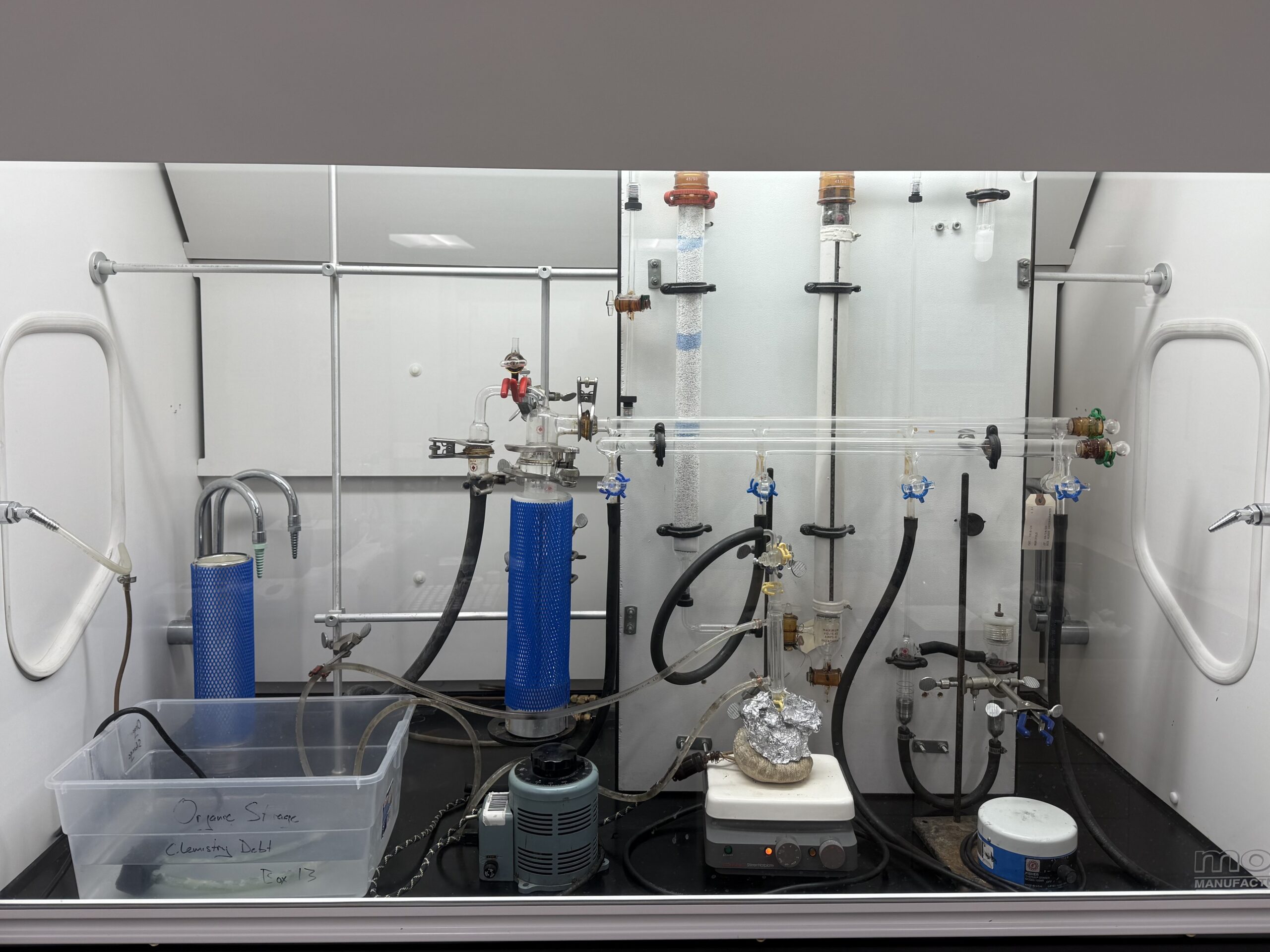
Our work involves the synthesis of RAPTA compounds in an inert atmosphere. To create this atmosphere, we use schlenk techniques to remove the air via vacuum pumps and replace the air with nitrogen. We set up reactions with a three-neck round bottom flask, reflux condenser, and gas inlet and heat our solutions to reflux for a set amount of hours.
Determination of Vitamin D Concentrations in UV-Exposed Mushroom Samples: Kayleigh Glatt and Erik Hoel mentored by Dr. Mark B. Jensen
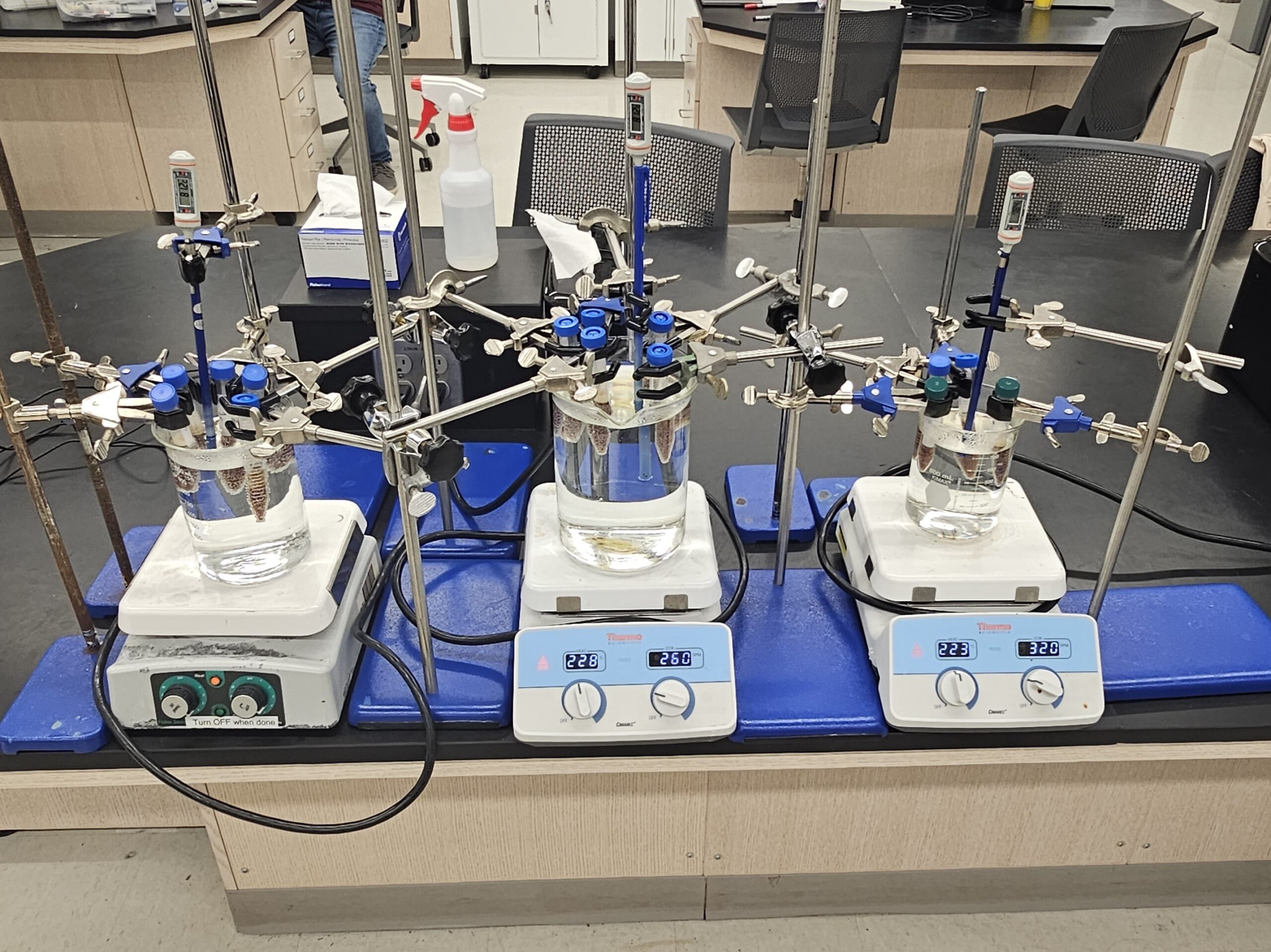
This “super saponification station” helps release Vitamin D from our mushroom samples, so it can be extracted and analyzed in the HPLC instrument. By measuring Vitamin D concentrations in a wide variety of mushrooms, this research aims to determine how different mushroom types and UV exposure conditions affect the final Vitamin D concentration.
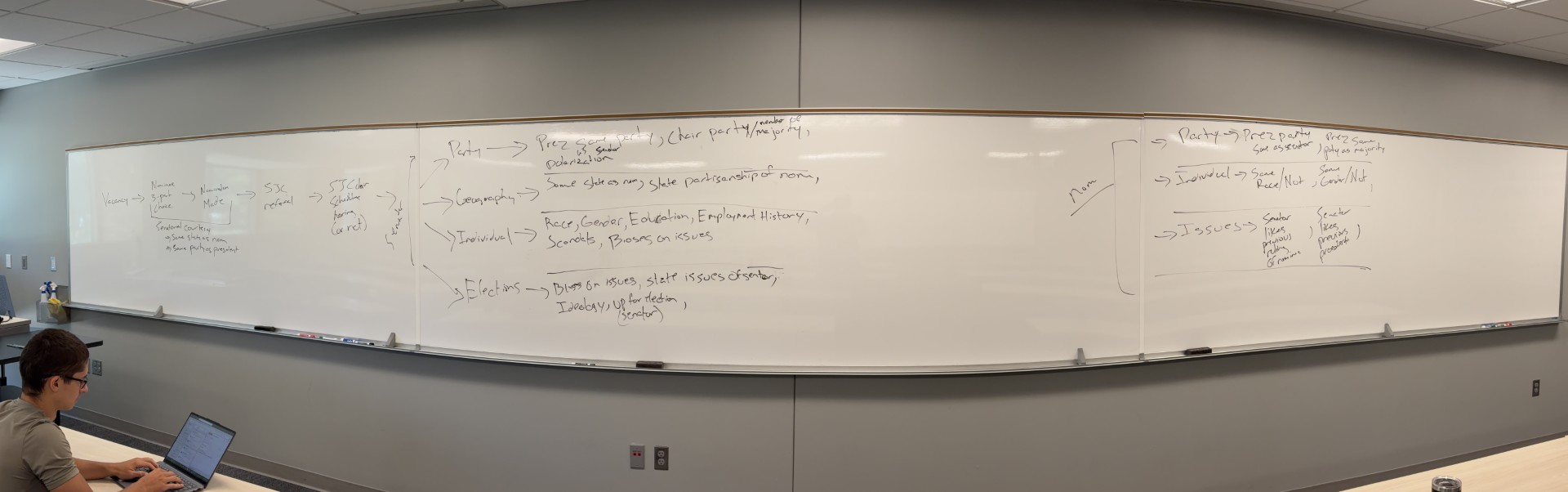
Examining How Precedent and Judicial Philosophy are Used in Questioning in Senate Judiciary Hearings for Federal District Court Judges: Santiago Buisan and Corinne Schmidt mentored by Dr. Nicholas Howard
This is a map of our research so far, completed by our team. It highlights the well-researched and studied foundation of our research as well as our own area of research which is far more unexplored.